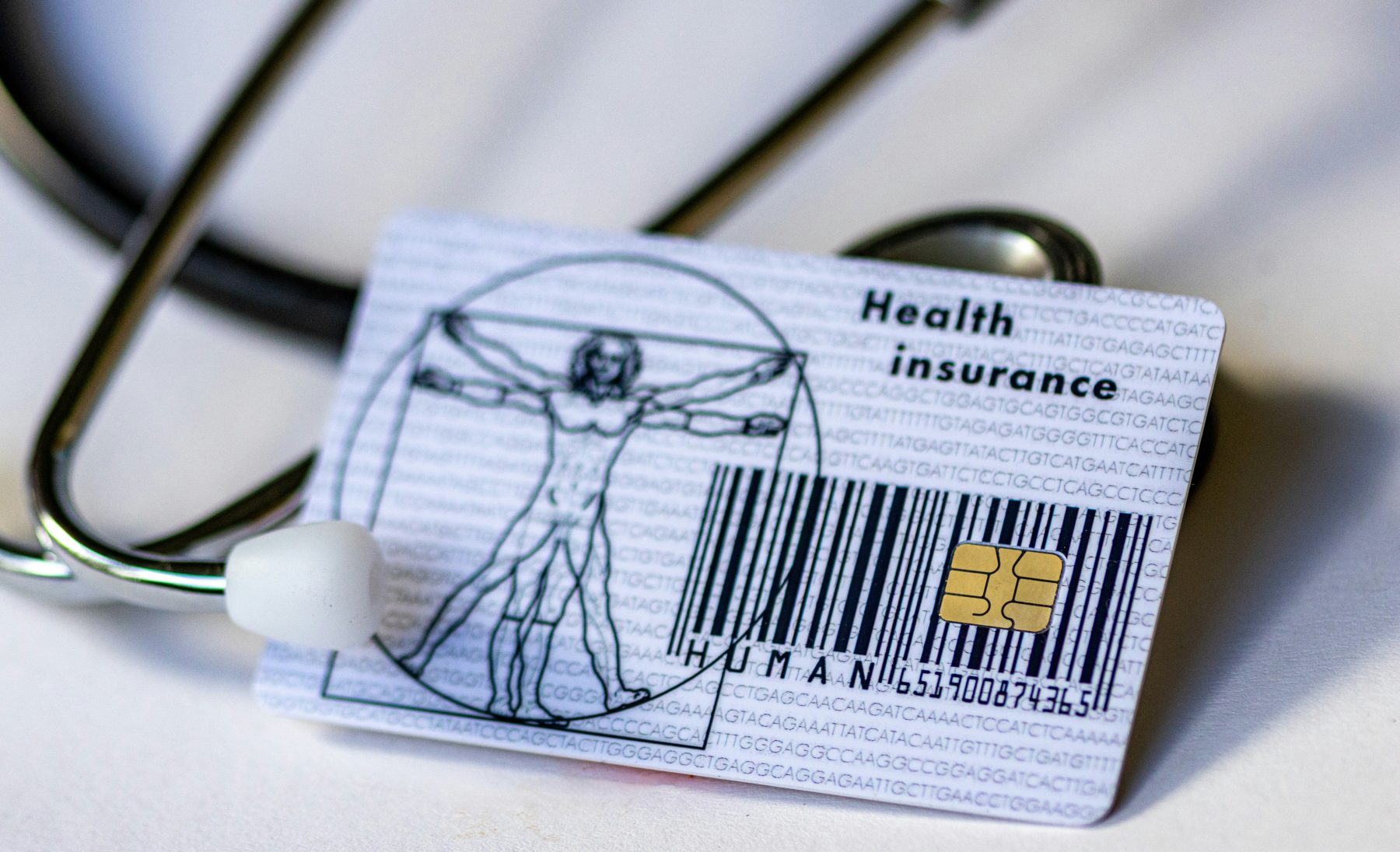
Why your senior in high school may need a HIPAA form
Research indicates that the brain doesn’t fully mature until around age 25, but nonetheless: In most states, 18 is the age at which a child is considered to be a legal adult. And it’s when parents lose their right to that child’s medical information.
That’s why – once they hit that magic age – parents need their authorization under the Health Insurance Privacy and Accountability Act, better known as HIPAA.
HIPAA required the creation of national standards to protect sensitive patient health information from being disclosed without the patient’s consent or knowledge. The law doesn’t care if the young adult is on their parents’ insurance and they are responsible for the bills. It also doesn’t care whether the child is an 18-year-old high school senior or a college grad out on their own.
Or maybe the child was out on their own, but came back to the nest. Thanks to the pandemic and associated job losses, the share of adults ages 25 to 34 who lived with their parents reached historic highs in 2020, according to the U.S. Census: 22 percent of men and 13.4 percent of women.
The numbers aren’t quite as high now, but they’re still significant. Young adults who are disabled or have mental or emotional disorders also tend to live with mom and dad.
Health issues arise unexpectedly – the young adult could be involved in a car accident, diagnosed with cancer or need an emergency appendectomy. You may want to remind parents and students to prepared with documentation so that health care can proceed.
Verbal authorization can take the place of a signed HIPAA release. A child only has to tell health-care providers, “I authorize my parents to receive my medical information and be involved in my health-care decisions.”
That works if the patient is awake and alert. But what if every parent’s nightmare comes true? You get a phone call in the middle of the night that there’s been an accident and your child is unconscious. Now what?
If a child does end up in the hospital, the HIPAA authorization will come in handy. Because hospitals do not want to be fined for violating HIPAA, most will err on the side of caution and refrain from disclosing any information to family members without the properly executed documentation. Without this exchange of information, families can left out of the loop and doctors may miss important family medical history.
As a companion to the HIPAA authorization form, it is also important for young adults to have a Health Care Power of Attorney so that someone will have the authority to make medical decisions on behalf of the child if they are incapacitated. Without this document, parents may have to go to court in order to have someone appointed to make crucial medical decisions.
These aren’t necessarily easy conversations to have with an adult child because no one – particularly a young adult who is healthy – wants to think about the possibility of illness or injury.
HIPAA authorization and health care power-of-attorney forms are available on state websites, or an attorney can help execute them. The signed forms should be shared with the child’s health-care providers and kept in an accessible place in case they’re needed.
We all buy insurance and hope we never have to use it. Encourage your students’ families to prepare a HIPAA authorization and health care power of attorney, and then hope they’re never needed.
Teri (Dreher) Frykenberg, R.N., a registered nurse and board-certified patient advocate, is the founder of www.NurseAdvocateEntrepreneur.com. She is the author of “How to Be a Healthcare Advocate for Yourself & Your Loved Ones” and her new book, “Advocating Well: Strategies for Finding Strength and Understanding in Health Care,” available at Amazon.com.