Why Learning Environments Matter for Students Preparing for Helping Professions
Certain professions—education, healthcare, social work—have aspects of responsibility that book learning alone can’t cover.
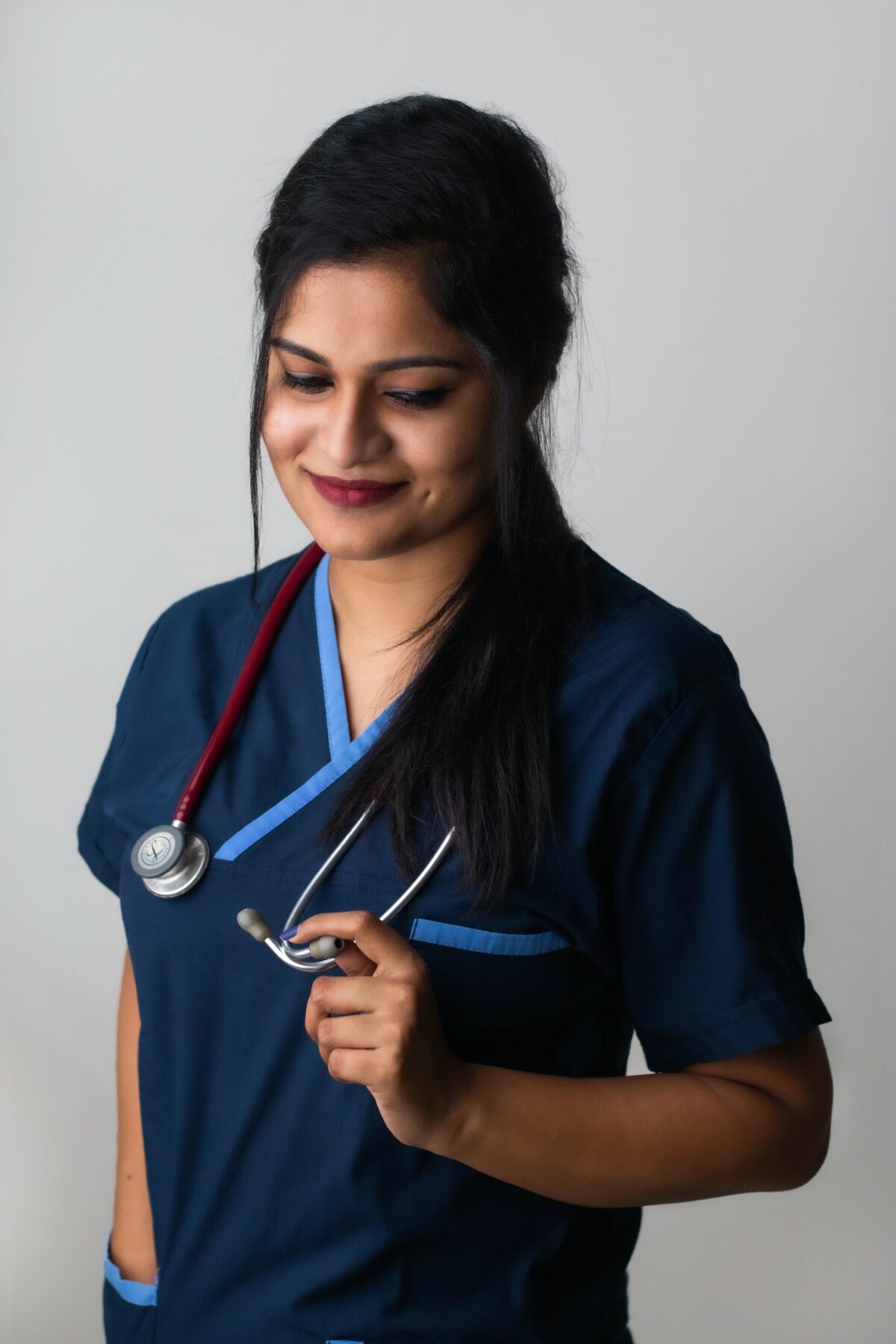
You might know everything there is to know about the human body and the illnesses that can befall it, but if you can’t withstand the pressure of an emergency room, you’re probably not going to be a good fit for a full nurse position.
Similarly, you could have robust knowledge of pedagogy and factors that influence educational outcomes, but if you can’t manage a classroom and communicate clearly with a student, you won’t be a good teacher.
Practical experience is a mandatory part of the education process for certain professions.
In this article, we take a look at why it’s important, how it takes place, and what careers benefit from it the most. We’ll also take a look at ways students can seek additional firsthand experience that may benefit them, even if it’s not strictly required.
Overview: Understanding the Importance of Practical Experience
First, how important is this type of experience in the long run? That will ultimately depend on the profession, but most of the helping careers highlighted in the introduction prioritize a fairly significant amount of firsthand experience. It’s important for a few reasons:
- Feeling the Pressure. As mentioned before, feeling the pressure is an important part of preparing for certain helping careers. You should know what it’s like to work with an unruly student or deal with an emergency patient situation in real time. You certainly don’t want the first time you experience these things to be when you are in the driver’s seat without any help at all.
- Skill Diversification. Sometimes a situation will be too obscure or specific to be adequately covered by a textbook. Any working nurse, teacher, or social worker will tell you that while their education was helpful, it in no way completely prepared them for the daily responsibilities of the job. You pick up these extra skills simply by doing the work.
- Exposure: With on the job experience students may also learn about careers that had never occurred to them before. Not just nurse, but nurse practitioner, or nurse educator. Not just teacher, but curriculum coordinator, and so on.
- Mentorship. Practical experience also puts you in contact with professionals who are already doing the work that you are interested in. Accumulating professional contacts is a great way to develop a support system, ask questions, and gain valuable insights.
The good news is that practical experience is a professional requirement in all of the programs we’ve just described. Some students will even go so far as to pick the school they attend based on which has the best job readiness scenarios.
For example, some educational programs will require three months of student teaching, while others will require six. If your students are interested in the benefits of workplace experience, that alone might make their decision for them.
Careers That Benefit the Most from Real-World Exposure
We described that help careers require firsthand experience in some capacity. This includes education, nursing, psychology, pharmaceutical work, and so on.
That said, any job can benefit from higher levels of experience. For example, let’s say a student comes into your office who is interested in a career in advertising.
In that case, firsthand experience might not be a requirement, but if they can gain it through an internship or a school club, it will certainly benefit them both as a professional and as someone who needs skills to put on their resume.
That’s the thing: no matter what job a person is interested in, developing firsthand experience is never a bad thing.
Gaining as Much Experience as You Can
We’ve already explained that while there are minimal state and federal requirements for a program, some schools will exceed them.
If you have students coming into your office who are interested in maximizing their exposure to professional circumstances, it’s important for them to learn more about on the job training before they select a program.
Make sure they understand that, while there are state and federal minimums, they are also free to pursue additional opportunities.
For example, there are professional shadowing opportunities available at many hospitals and clinics, and many schools allow education students to sit in for observation hours, even beyond the requirements of their programs. They’ll also almost certainly be eager for tutoring volunteers.
If they are in a program that does not have clear on-the-job training requirements, they can still likely volunteer at local organizations or participate in relevant school clubs.
To consider the example of an advertising student, many universities will pair business, marketing, and advertising students with local businesses to give them firsthand experience and possibly even reference letters.
Ultimately, developing a resume full of relevant, high-quality experience is always a good thing. The key is to take advantage of as many opportunities as possible.
Conclusion
As students come into your office in the hopes of preparing for the future, it’s important to remember your job. It’s not only to help them identify good schools but also to help them spot the value of specific opportunities in their own life.
Have your students ask recruiters: What opportunities do you have outside the classroom?
It’s a question for which the school should have a ready-made answer.
Too many students spend their time hunting for a college, worried about admission. They want to be accepted by a good school. Hopefully, one that is willing to offer a great scholarship. These things are important.
However, it’s also helpful to remember that this is ultimately a transaction. In fact, a very significant one. The student is spending an incredible amount of time and money in the hopes of developing career-relevant skills.
It’s the school’s job to prove that they can provide them. The earlier college kids start seeing things this way, regardless of their eventual career, the better off they will be.