Menu Sidebar
Menu

College Admissions Courtship

The college admissions process has occasionally been likened to an old-fashioned mating ritual.

  • It starts out with mutual flirtation: student flirts with college requesting information and perhaps visiting campus; colleges flirts with student sending emails and a forest-full of brochures, mailings, emails and tweets.
  • It starts to get a little more serious: student may decide to “go steady” and apply as a binding Early Decision candidate which means that if they are accepted, they must attend. Or many students choose to “play the field” and open up their search to include many colleges and universities.
  • Students apply, also known as the “prom-posal” period: this is where they are desperately demonstrating their love. They solicit letters of recommendations, send in affirmations in the form of transcripts and test scores and write elaborate essays for each of their hopeful prospects. Colleges are now playing hard-to-get and are in hibernation mode; putting off making any decisions for months and months. Colleges hold all the cards in this phase and won’t share details on their decision-making process.
  • Students sweat through the waiting period and then the notifications start arriving. They are often pleasantly surprised at the number of colleges who have now decided they love them back. Or, they may be deflated by the break-up news when they receive rejection letters.
  • Then there are the colleges who just can’t decide and they inform students that they need more time; stringing them along with no commitment at all. They ask students if they’re willing to wait; some choose to wait and others turn them down because they received better offers. Wait-listed students need to decide how much energy they want to invest in these relationships, because wait-lists are unpredictable.
  • Some students have unrealistic hopes and expectations of a “destined” relationship that perhaps was never meant to be; but alas, it is often a one-sided romance. Try to prevent yourself from getting hurt again and again by finding a college that loves you just as much or more than you love them.
  • Offers are now on the table; students are in control and colleges are now the suitors. They eagerly await decisions from students; often times making personal calls, sending gifts and welcoming them back to campus on “Accepted Student Days.” They serve the best food on these special days that students won’t see again until graduation weekend.  Campuses are as clean as Main Street in Disney World and everyone is happy.
  • After recovering from what can be a most devastating break-up, most students can identify which college represents the best fit for them. They pick themselves up, dust themselves off, make a solid decision and live happily ever after.

My favorite anecdote/statistic that I heard at a college counselor conference is that by Halloween, 95 percent of students are at their “first choice” school! Kids are resilient and most are happy wherever they choose to go.

Lee Bierer is an independent college adviser based in Charlotte. Send questions to: lee@collegeadmissionsstrategies.com; www.collegeadmissionsstrategies.com

Plan Ahead for the SAT and ACT

Going to college is an exciting opportunity, but the application process, especially the testing, can be stressful. Planning ahead for the SAT and ACT will help your students minimize the stress and maximize their test scores. These tips for each year of high school will help your students set themselves up for success.

Tips by grade level:

9th Grade:

  • Complete Algebra II
  • Read every day to increase your vocabulary.
  • Get involved in a club or activity you are passionate about.
  • Sign up for the PSAT 8/9 if your school offers it.

10th Grade:

  • Take a challenging math class that includes trigonometry.
  • Take a practice SAT and ACT or try a Combo Test to see which test is better for you.
  • Start working on a list of colleges that interest you.  Check the testing requirements and average test scores of each college on your list.
  • Sign up for a summer test prep course.  For a 200 point increase on the SAT or 6 point increase on the ACT, plan on 20-25 hours of class time and at least 4 practice tests.
  • Take the Pre-ACT if your school offers it.

11th Grade:

  • Take the PSAT/NMSQT in October.
  • Go to collegeboard.org to register for the SAT or to act.org to register for the ACT.  The registration deadline is usually 4 weeks before the test date. 
  • If you will be requesting accommodations such as extended time, make sure to register 6-8 weeks in advance of the test. 
  • Take your first official test in the fall, such as the September ACT or the November SAT.
  • Consider one-on-one tutoring to address your weak areas.
  • Take your second official test in the spring, such as the March SAT or April ACT.
  • Keep May open for AP exams.

12th Grade:

  • Finalize your list of colleges.
  • It’s not too late to take a test prep class if you still need one.
  • If necessary, take one more official test in the fall to maximize your superscore. 

We have created a new College Night Handout which has all these tips in a 1 page PDF format. Download it free here – https://www.linkforcounselors.com/wp-content/uploads/2021/04/CNHandout-Test-Prep-1.pdf

10 Top Careers for your students post-pandemic

Based on data compiled from LinkedIn and the Bureau of Labor Statistics these are 10 of the fastest growing careers your students should consider:

1. Nurses

Nurse practitioners represent one of the fastest-growing occupations in the U.S. They will do the first part of a physical examination like take your blood pressure, check your weight, and much more. In hospital settings, their duties vary wildly, depending on the hospital or specialty. Nurse practitioners prescribe medications and schedule tests. 

Skills:

  • Leadership, patient care, and critical thinking

Qualifications/Level of Education:

  • Graduate of an accredited school of nursing  
  • Obtain state licensing upon graduation 

Salary Range:

  • $76,874-$142,766

2. Business Development Officers

Business development officers are integral in maintaining relationships with company stakeholders. They can also be responsible for analyzing past financial performance and making recommendations for improvement.

Skills:

  • Negotiation, business analysis, and communication

Qualifications/Level of Education:

Salary Range:

  • $62,128-$75,443

3. Digital Marketing Professionals

They leverage brand assets like its website and social media to gain brand recognition and increase leads. Accomplishing this can take many forms, from email marketing to social media campaigns to crafting sales reports. Digital marketers must abide by brand guidelines when creating campaigns. 

Skills:

  • Analytics, website development , SEO writing

Qualifications/Level of Education:

  • Bachelor’s degree in marketing
  • Experience in SEO content writing, social media, or email marketing
  • A portfolio showcasing work on campaigns and their impact

Salary Range:

  • $50,099-$93,041

4. Data Science Specialists

Data scientists help companies and organizations make sense of the data they receive. They can analyze numbers to forecast trends, make recommendations, and design data-gathering machines. 

Skills:

  • Programming, data manipulation, and analysis, data visualization 

Qualifications/Level of Education:

  • Bachelor’s or master’s degree in data science 
  • Have experience coding (Python, R, SQL)
  • Knowledge of machine learning techniques

Salary Range:

  • $58,700-$89,100

5. Frontline E-commerce Workers

While duties can vary by company, these workers are the face of the organization. They are the ones with direct contact with customers via email, phone, and live chat. They can also be responsible for building and maintaining online marketplaces, processing orders, diagnosing issues about an order, and much more. 

Skills:

  • Customer service, strong problem-solving, the ability to multitask and prioritize 

Qualifications/Level of Education:

  • Bachelor’s degree in marketing
  • SEO experience 

Salary Range:

  • $26,276-$48,796

6. Loan and Mortgage Experts

They guide customers through the process of obtaining a loan or mortgage. It often involves answering any questions the customer has, directing them to other resources the financial organization offers, and more. In some cases, they might also be the ones deciding on whether the loan receives approval. 

Skills:

  • Risk management, customer service, and attention to detail 

Qualifications/Level of Education:

Salary Range:

  • $75,209-$99,323

7. Experts in Workplace Diversity

Experts in workplace diversity cultivate an environment of legal compliance and employee engagement. To achieve this, they will implement diversity initiatives that impact hiring, retention, and innovation. Their training tends to be ongoing to keep up with successful workplace practices. 

Skills:

  • Policy and procedure writing, cross-cultural communication, and inclusive management 

Qualifications/Level of Education:

  • At least a bachelor’s degree in human resources, social sciences, or other related fields
  • Continuing education through workshops
  • Experience by volunteering through multicultural organizations

Salary Range:

  • $41,011-$76,161

8. Construction Managers

Construction managers ensure projects run smoothly and meet their completion goals. They manage all aspects of construction, create timetables for completion, and work with supervisors, contractors, suppliers to troubleshoot any problems. 

Skills:

  • Organization, team management, and risk management 

Qualifications/Level of Education:

  • Bachelor’s degree in civil engineering, or building sciences 
  • On the job experience

Salary Range:

  • $66,682-$123,838

9. Mental Health Specialists

These professionals counsel patients who want to improve their mental health, discover healthy coping techniques, or work to overcome mental health illnesses. They’re often employed in a variety of healthcare facilities and can leverage both counseling and social working skills.

Skills:

  • Compassion and empathy, ability to diagnose, and critical thinking 

Qualifications/Level of Education:

Salary Range:

  • $34,234 -$63,576

10. Speech-language pathologists 

Speech pathologists evaluate, diagnose and treat people with language, speech, or swallowing disorders. These professionals are trained to handle a wide range of communication issues and design activities based on speech-language therapy.  

Skills:

  • Detail oriented, listening skills, and compassion 

Qualifications/Level of Education:

  • Master’s in speech-language pathology
  • A state license (a license is required in most states) 
  • Clinical experience 
  • Speech-language pathology certificate (some employers prefer candidates to acquire either a clinical or an Association certificate ) 

Salary Range:

  • $61,940-$99,380
CareersSalary RangeTop Job Titles
Nurses$76,874-$142,766Registered nurse, Nurse practitioner
Business Development Officers$62,128-$75,443Business development executive, Business development officer
Digital Marketing Professionals$50,099-$93,041Marketing specialists, creative directors, art directors, eriter, Graphic Designer 
Data Science Specialists$58,700-$89,100Data scientist 
Frontline E-commerce Workers$26,726-$48,796Graphic designer, customer service rep, content writer, warehouse worker
Loan and Mortgage Experts$75,209-$99,323Loan officer, mortgage officer, loan underwriter
Experts in Workplace Diversity$41,011-$76,161Diversity expert, diversity specialist
Construction Managers$66,682-$123,838Project manager, general contractor 
Mental Health Specialists$34,234-$63,576Therapist, social worker
Speech-language Pathologists $61,940-$99,380Speech-language pathologist

Information is courtesy of Best Value Schools. They include Further tips from Experts on finding jobs in these hot fields here: https://www.bestvalueschools.com/top-10-careers-in-demand-for-2021/

7 Strategies To Help Support Students Struggling With Anxiety

1. The 5 Whys

For students experiencing anxiety, the experience can be frightening. This can be worsened if the student doesn’t understand the cause of their anxiety or is unable to express their feelings well. Developed by Sakichi Toyoda during the Japanese revolution, this technique involves asking the question “why” five times. Starting with a question about why the student is feeling anxious, you can then use their answer to pose the next “why” question, until you have repeated this five times.

“As a result of this technique, both you and the student should be able to gain a clearer understanding of the deeper, underlying cause of their anxiety. Once a student understands what causes their anxiety, you are then able to work together to put strategies into place to help them effectively manage their anxiety every day,” says Richard Hall, a psychology writer at Writinity and Researchpapersuk.

2. Deep Breathing

This can be one of the simplest, yet most effective stress reduction techniques for students to use. Whenever a student begins to feel anxious, teach them to take a few deep breaths, in through the nose and out through the mouth. Encouraging them to count as they breathe can help them to stay focused on the exercise.

3. Positive Affirmations And Self-Talk

For many students suffering from anxiety, negative thoughts can be a big problem. Help them combat these by choosing specific and individual positive affirmations which they can repeat to themselves. Ensure that these are affirmations in which the student believes, in order to help them make long-lasting, positive changes.

4. Visualization

Another effective strategy is to ask students to visualize what they need to do to overcome a stressful situation. This can help them control negative thoughts. They can also visualize a peaceful or safe space to help them divert their attention away from the situations which are causing them anxiety.

5. Exercise

Exercise is well known for helping to reduce anxiety and stress. For students experiencing anxiety, having a physical and mental break following an activity, can help to reduce their anxiety.

“Yoga can be a really useful way of releasing tension and doing so discreetly,” explains Sondra Durst, a tutor at Draftbeyond and Last Minute Writing. “Teach your students some simple yoga movements which they can do at their desks. For example, cat-cow stretches, neck rolls, seated twists, shoulder shrugs, and even seated pigeon pose, will all work well. Whenever they start to feel stressed or anxious, they can take a short pause at their desk to recenter themselves and focus again.”

6. Distractions And Grounding

For a student experiencing anxiety, it can be useful to distract them with another activity or task. Ask them to take a note to the office for you, or give them a job to do in the classroom. Alternatively, give them a hands-on activity to complete. You can also teach students grounding exercises to help distract them from their anxiety. Exercises include counting backwards from 100 in 7s, or using the 5-4-3-2-1 sensing technique. In this exercise students count five things they see, four things they can smell, and so on.

7. Journaling

Encourage students with anxiety to keep a gratitude or positivity journal. Whenever they experience anxiety, encourage them to note down at least one thing they are grateful for, proud of, or which makes them happy. They can also read through their journal when they are feeling anxious. By focusing their attention on positive thoughts, students can prevent negative thoughts and anxiety from taking hold.

Conclusion

It may take some time to find which strategies work best for individual students. Yet, once these have been identified, you’ll be able to support students to develop their own toolkit for managing their anxiety in a range of situations. Remember to communicate any concerns you may have to the student’s parents as well. By working together, you’ll be able to truly support students and provide them with the tools to thrive.

Ashley Halsey is a professional writer at Nursing Assignments and Gumessays.com. She has been involved in numerous projects throughout the country, including sharing educational tips and coping strategies with her readers. She regularly attends business training courses, where she enjoys keeping up-to-date with the latest developments. A mother of two children, Ashley enjoys reading and traveling with her family in her spare time.

Are you a quick brainstormer?

-In and out in an hour? Or do you spend weeks mining for jewels among your students’ experiences?  

Do you think brainstorming ideas is all about finding a unique story? Or are you trying to help students identify an effective topic?

We’re in the quick and effective camp.  

Why? Because drawn-out, elaborate brainstorming exercises…

  • don’t necessarily lead to better essays.
  • wear students out before they even get to the first draft.
  • send the message that students will never stand out unless they can tell an amazing story that no one else has ever heard. (Most students are normal people with normal experiences, and that’s okay. In fact, we think it’s amazing.)

What do we do instead? We keep it simple. Our students spend 1-2 hours on three tasks before we meet. 

  • Morning Writing: Students complete a simple writing exercise that helps them recognize what their writing voice sounds like when they’re not trying to impress anyone.
  • Step 1 (Understand the prompt): We ask three key questions: 1) What is the prompt trying to find out about you? 2) What do readers already know? (accomplishments) 3) What would you like readers to know about you? (characteristics)
  • Step 2 (Brainstorm ideas): On their own, with no coach input, students come up with four potential topics. These ideas are usually too broad, full of cliches and otherwise imperfect. But they tell us a lot about what matters to the student. And they make great conversation starters.

Pre-work in hand, we meet for a relaxed, one-hour conversation. Almost every student comes out of that conversation with a theme for their essay. After that, they’re on their way, ready to write.

Could this work for you? We suggest giving it a shot. Here’s a link that explains our brainstorming approach in even more detail.

Want to learn more? Join us each month for a Free Pro Chat with Wow’s Susan Knoppow. If you can’t join us live, sign up anyway; we’ll send you the recording.

Kim Lifton is President and Co-founder of Wow Writing Workshop, which teaches students and educational professionals a simple, step-by-step process for writing effective college essays, so students can stand out and tell their stories. Kim leads a team of writers and teachers who understand the writing process inside and out. Since 2009, Wow has been leading the college admissions industry with our unique approach to communicating messages effectively through application essays, including personal statements, activity and short answer essays and supplements.  We teach students – and we train professionals

Coming Up 


Wednesday, April 14:  How to Run a Group Workshop, at 1:00 p.m. Eastern.

Wednesday, May 12: Should My Students Write about Covid (and other sensitive topics?), at 1:00 p.m. Eastern.

Let your students know we have a free class for them, too!

If you wants to help students with the basics, encourage them to sign up for our monthly free student class, or listen to the recording. Next up: Wednesday, April 14 and Wednesday, May 12, at 7 p.m. ET! You are welcome to sign up, too.

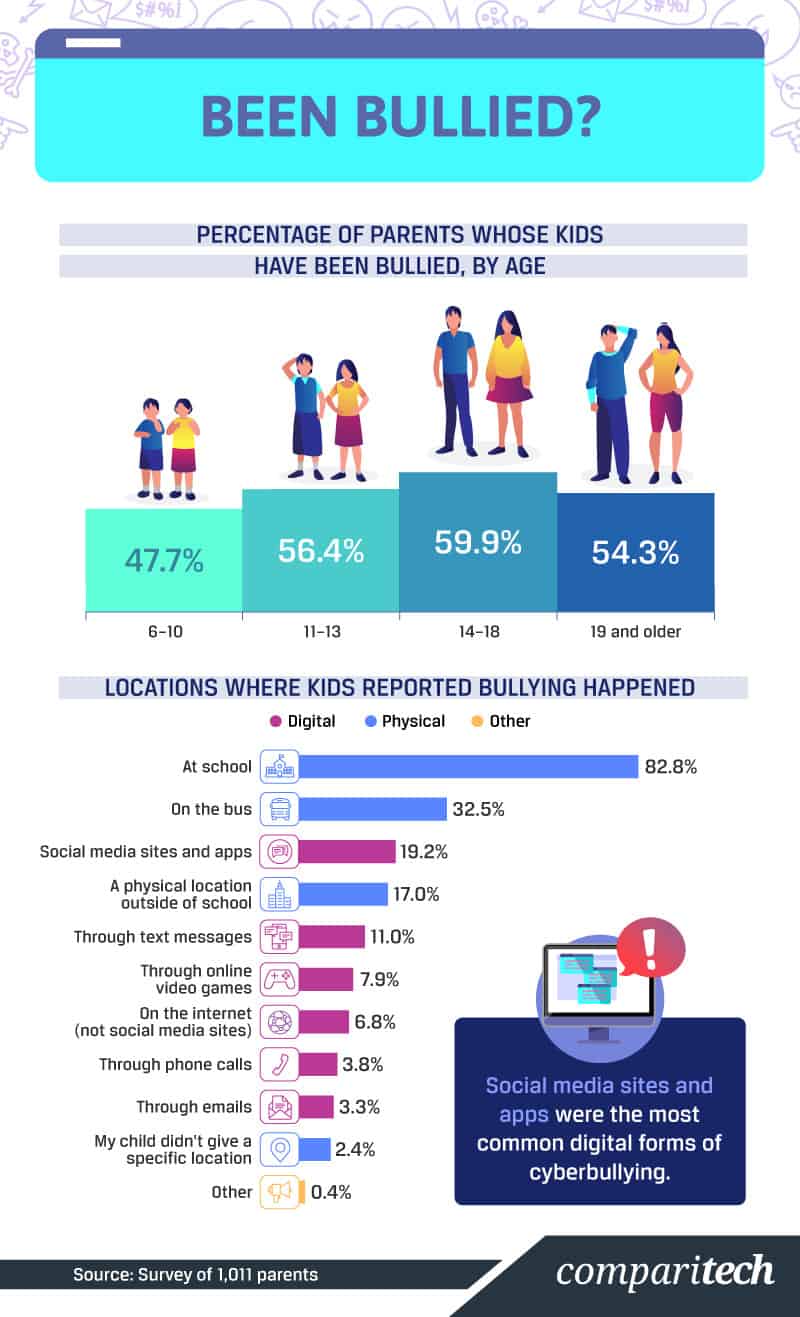
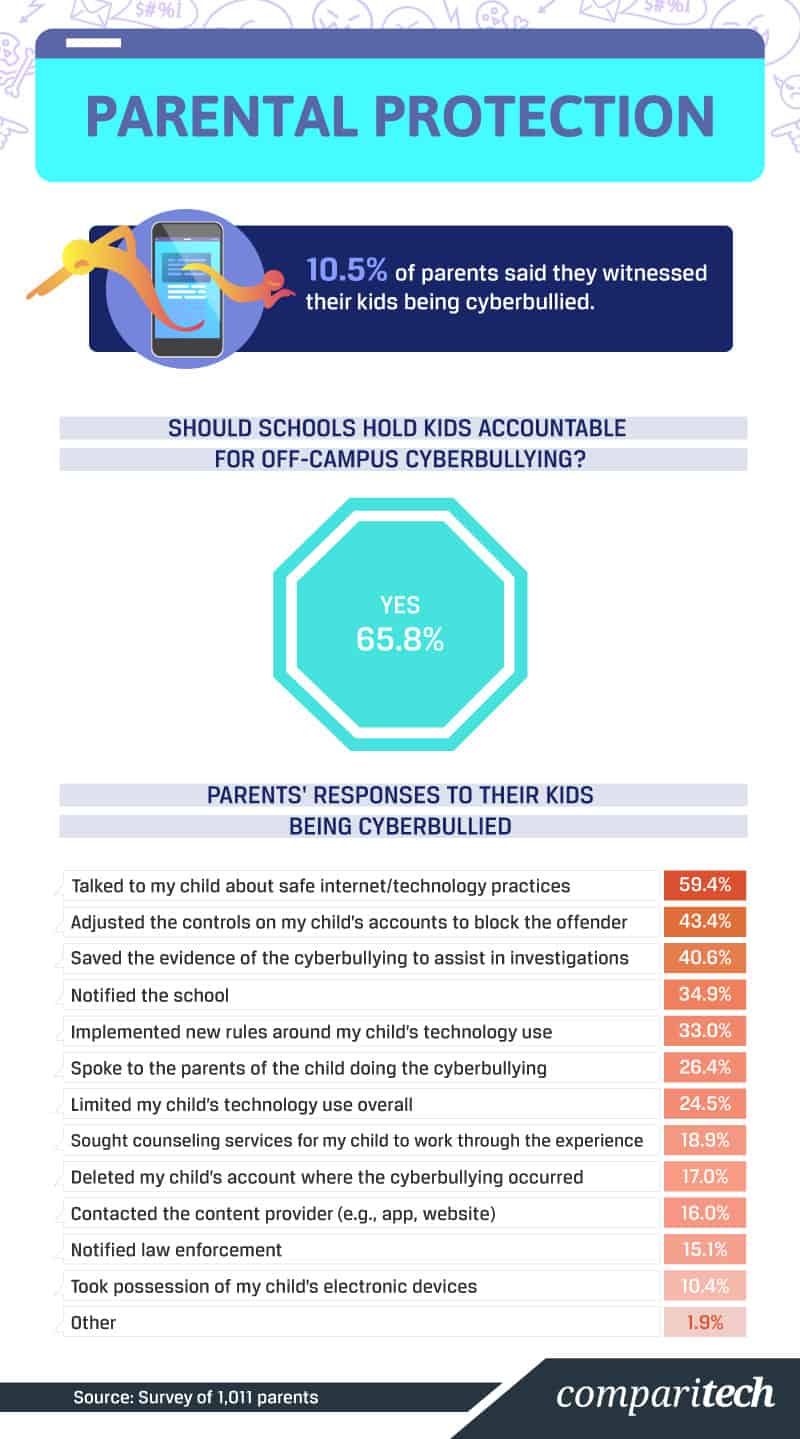
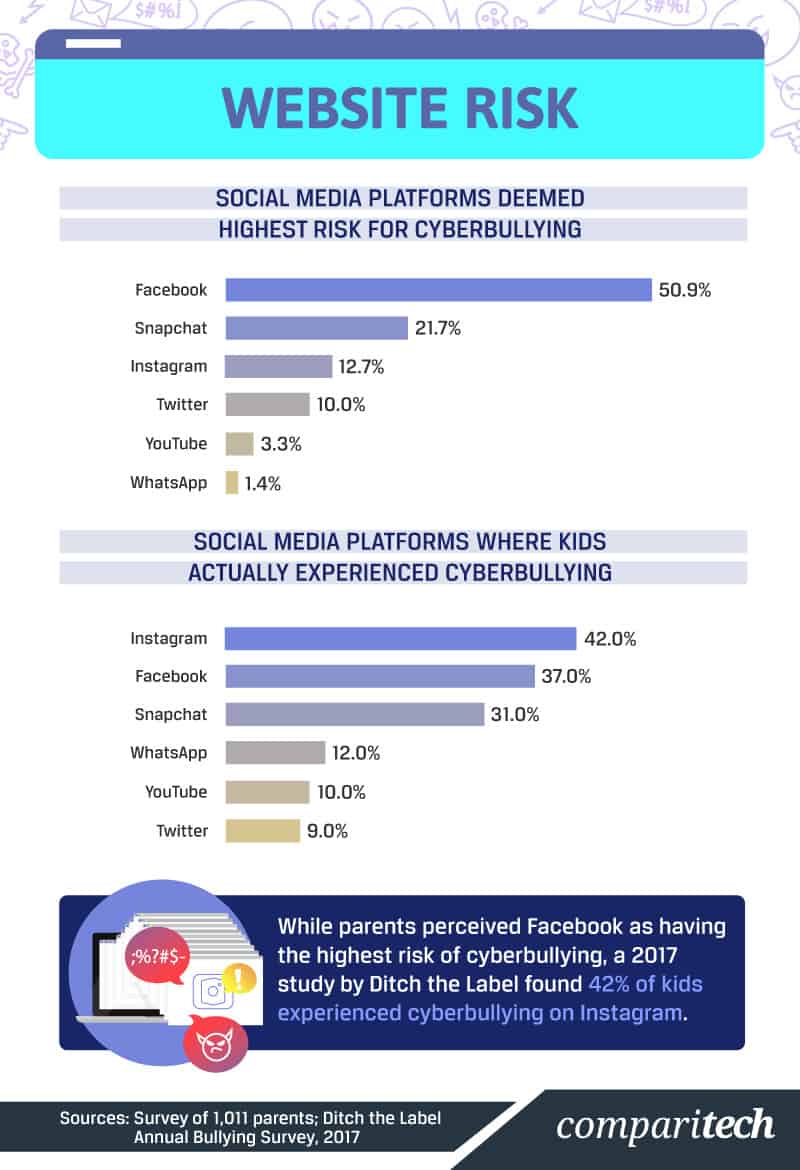
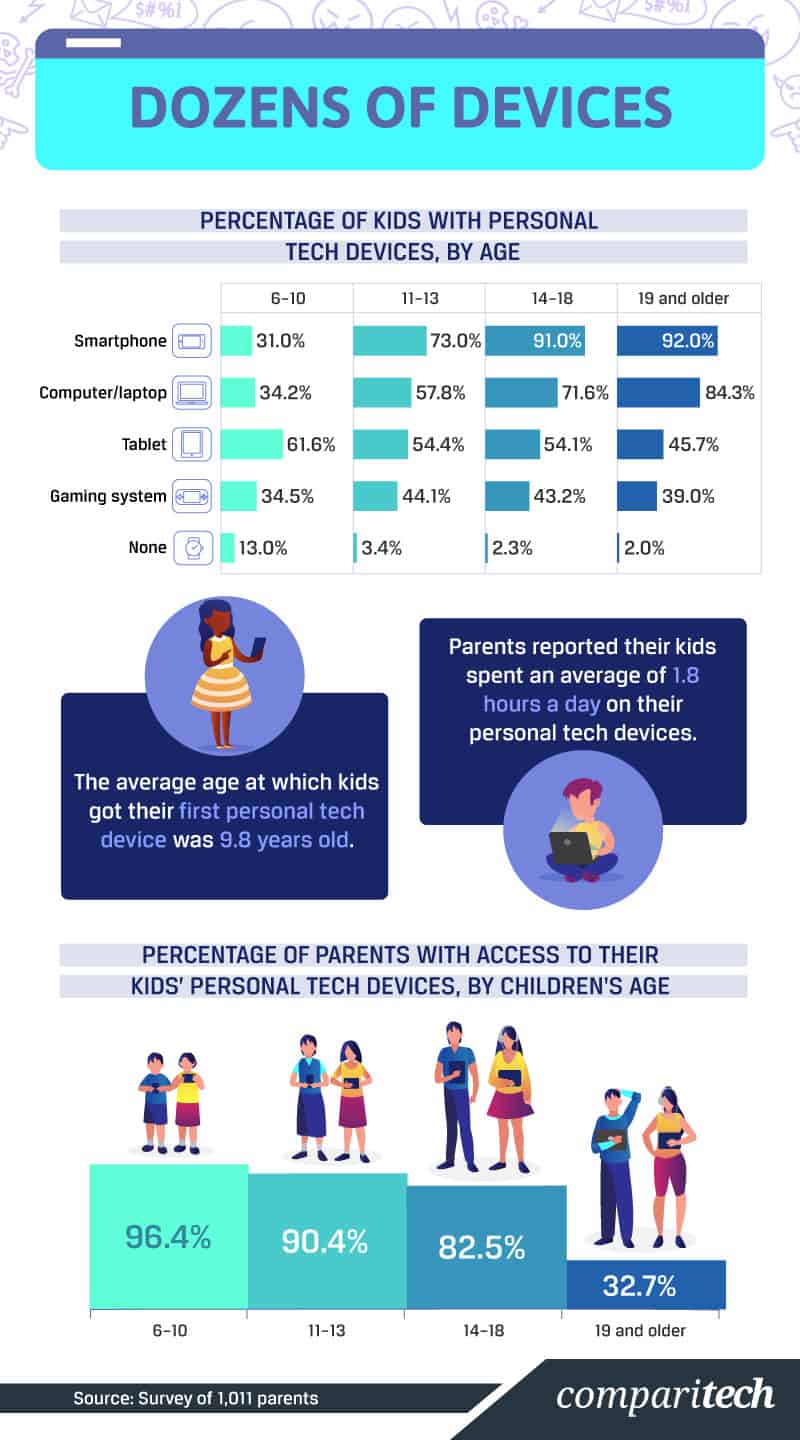
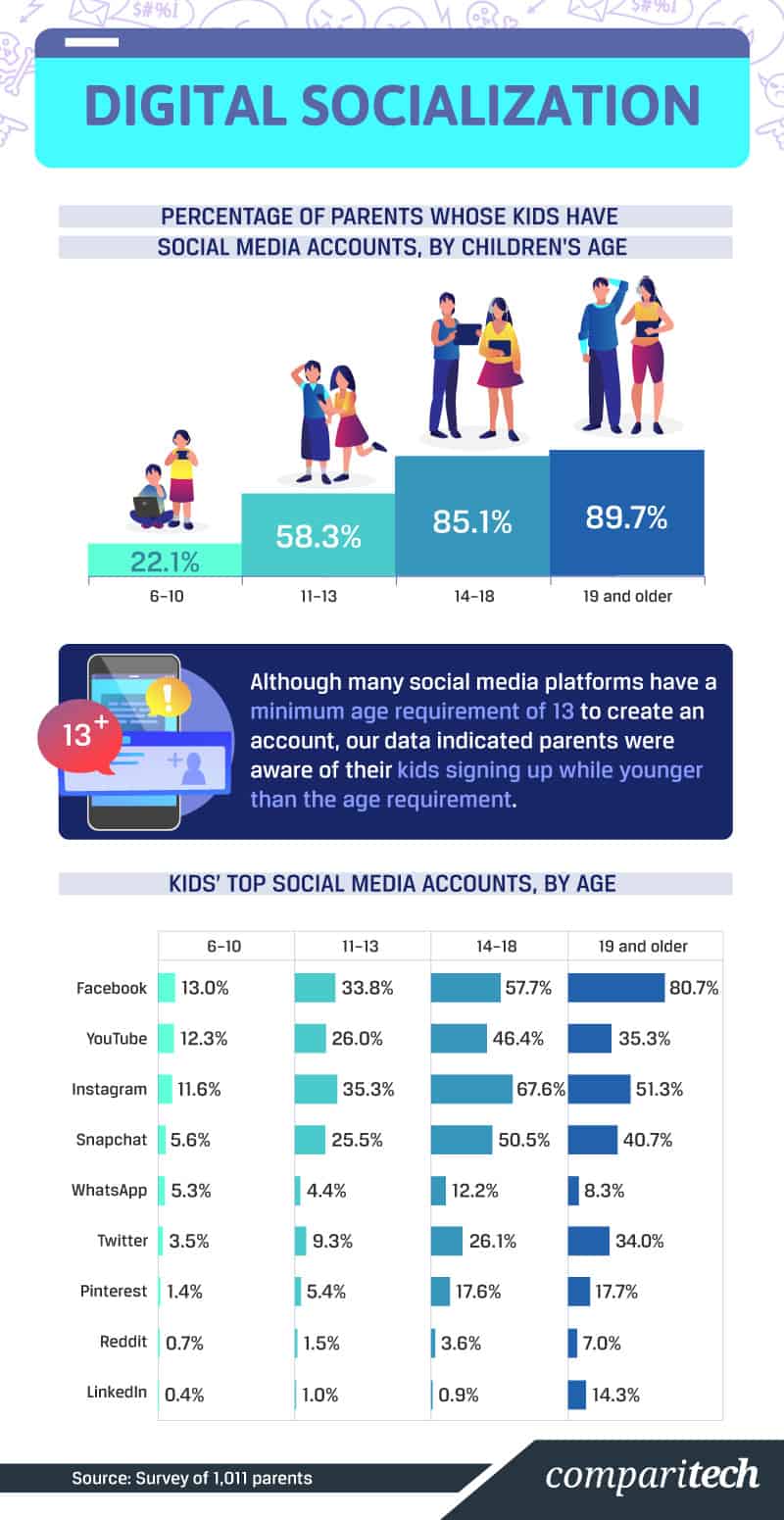
Bullying in the US Study

Comparitech recently conducted a study of more than 1,000 parents (with children over the age of 5) to find out how technology contributes to kids bullying. Check out these infographics to see what they found:

History of Harassment
https://cdn.comparitech.com/wp-content/uploads/2019/02/Boundless-Bullies_A2.jpg
How Do Parents Help?
Tech for Teens
Who’s on Which App?
Time Spent Scrolling

5 Tips to Managing a Retirement Account

Most of your students can’t even imagine retirement as they are not even sure what career path they are about to embark on, but setting up a retirement plan immediately when they begin their careers is one of the best long term decisions they can make. With the power of compound interest every dollar they invest in their 20’s could be worth 5-6x’s that amount by the time they reach retirement age. Based on experience, it will be here sooner than they think.

Barron’s published a nice article on 5 key tips to managing a retirement account. Here is a summary of each:

  1. Load up on stocks when you are young: Stocks offer the highest return potential but the most risk so when you are young it is best to have a higher concentration of stocks in your portfolio.
  2. Don’t automatically opt for target-date funds: Many companies will automatically put you in target-date funds if you don’t specify where you want your money to go. These can be right for some investors but it is important to investigate all your options.
  3. Keep an eye on expenses: Over 40 years expenses can cost you into the tens of thousands of dollars. Many index funds will have lower expenses than managed funds. It is good to monitor the expenses of your funds on a regular basis.
  4. Check if your plan offers a Roth 401(k) option: These are great if offered as you pay the tax upfront and 40+ years later when you withdraw the money you don’t pay any taxes on the interest earned over that time. Roth 401(k) accounts are especially attractive to younger workers in lower tax brackets. They’ll take home less money today, but they’ll have tax-free income in retirement, when they might be in a higher tax bracket.
  5. Consider automatic rebalancing: Checking this box when setting up your account makes things easy. When one portion of your portfolio has grown too much some of those gains are automatically shifted over to other investments that haven’t gained as much to rebalance your portfolio.

Here is a link to the complete article on Barrons.com: https://www.barrons.com/articles/6-tips-for-managing-your-401-k-like-a-pro-51617218448

Two New Scholarship Opportunities Available to Your Students

We recently learned of two new scholarship opportunities available to your students.

  1. $2,500 TEFL Scholarship:

In order to be considered for our scholarship, we want students to send us in a video clip no longer than 60 seconds (videos can be uploaded directly to YouTube with a link sent to us) talking about why they’re looking to pursue a career teaching english abroad. We want to know how you’d set about to change peoples lives in your career as a TEFL teacher, a little bit about you and your background and why teaching english abroad is something that’s right for you.

Clips will be uploaded to our YouTube channel and shared on our social media platforms with the winner announced on the 1st August, 2022. If you do not wish to have your submission made public, please specify when submitting (privatising your submission does not make a difference on receiving the scholarship)

All submissions should be accompanied with the following information before July 1st 2022 (please send this info along with your clip in an email to scholarships@theteflacademy.com) and must meet our eligibility criteria (please see below)

Full Name

Address

Date of Birth

School you’re currently attending

Phone Number

GPA

Eligibility

Must be a US, UK, European or South African citizen Minimum GPA of 2.5 Must be a current student (proof will be required)

2. $5,000 Kitchen Cabinet Kings Entrepreneur Scholarship:

Kitchen Cabinet Kings was founded by two entrepreneurs and is a leading supplier of kitchen and bathroom cabinets nationwide. In 2010, we started as just two guys with a dream to disrupt the cabinet industry and today we’re fortunate to have thousands of satisfied customers throughout the country.

As members of the Young Entrepreneur Council (YEC), we provide entrepreneurs with the resources and social capital they need to succeed. Today, our commitment to helping entrepreneurs is stronger than ever, and to that end, we are proud to introduce the Kitchen Cabinet Kings Entrepreneur Scholarship, designed to help young entrepreneurs afford the rising costs of education.

Kitchen Cabinet Kings will award one (1) $5,000 scholarship for the best submitted entry determined by our team. The scholarship will be awarded in check form, made payable directly to the winner. The deadline to enter is June 30th, 2021. Any current college student or incoming freshman enrolled in an undergraduate or graduate degree program in a Spring, Summer, or Fall 2021 semester is eligible to apply. Student must be enrolled at an accredited American college, university or trade school.

Newer Posts
Older Posts

Link for Counselors

Current Publication

View Current Publication

Advertisements

LINK Newsletter for Counselors

Sign up to receive our bi-weekly e-newsletter.